This new Ukrainian detector can ‘see’ what a Russian drone can — and its new fiber-optic drones can also ‘hear’ enemy soldiers from 30 meters away
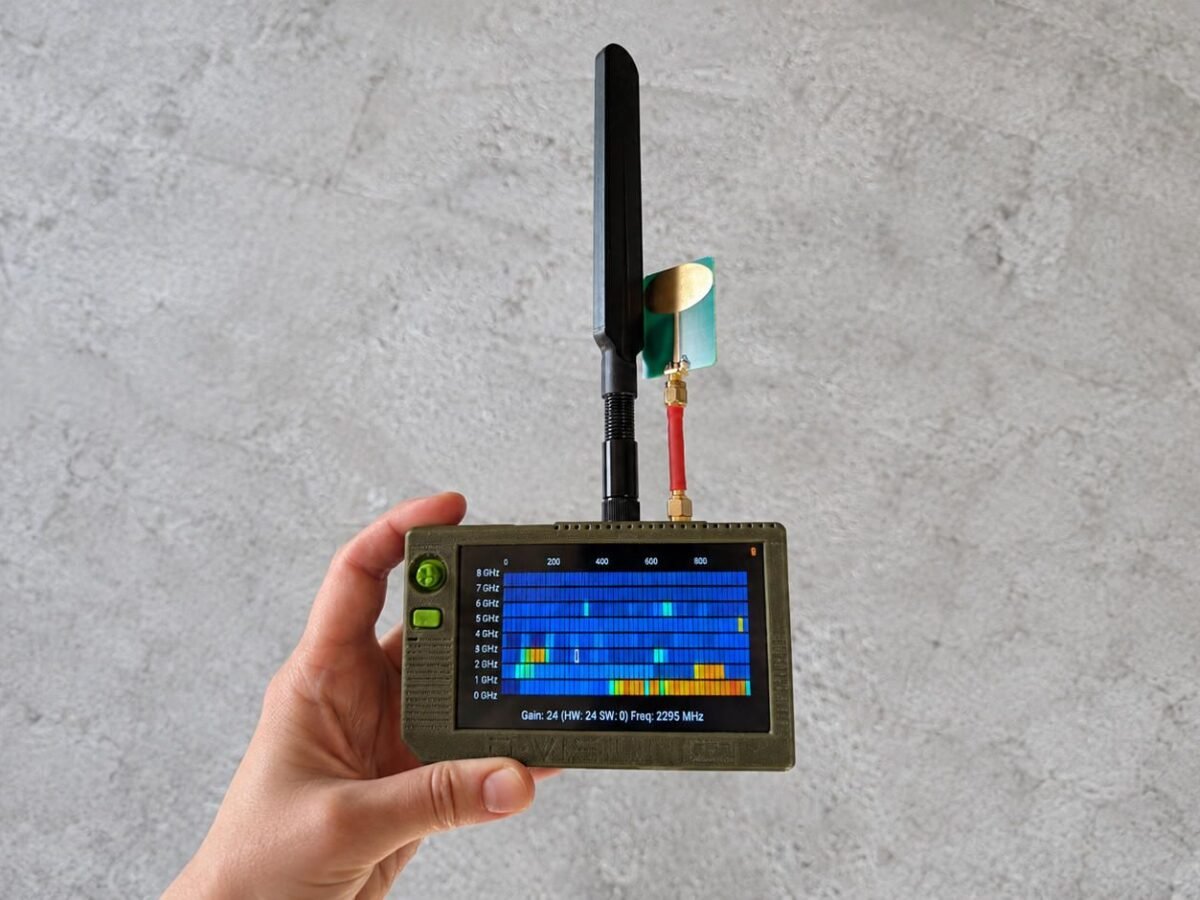
Kyiv firm CODE380 has built D·Vision SDR, a drone detector that turns intercepted Russian drone signals into live video It uses software-defined radio to scan 500 to 8,700 MHz, which the team says leaves no blind spots The device has been combat-tested with Ukrainian troops and gets software updates about twice a month A Ukrainian engineering team has built a drone detector that does more than warn soldiers that a Russian drone is close. It can lock onto the drone’s own video link and show an operator, in real time, exactly what the aircraft is filming. The device, called D·Vision SDR, was first reported by the Ukrainian tech outlet DOU and detailed by UNITED24 Media two days later. CODE380, a Kyiv-based communications equipment company, made the device, which relies on software-defined radio rather than the fixed analog receivers most front-line detectors still use. That choice is the defining factor: it lets the box turn an intercepted signal into a picture. A software-defined radio takes the lead Most front-line detectors use analog receivers tuned to the bands drones rely on for video and control. D·Vision SDR takes a different route. Software-defined radio digitizes a slice of the radio spectrum and processes it in software, so a single platform can be retuned and re-taught through code instead of swapped out for new hardware. According to DOU, the detector sweeps frequencies from 500 to 8,700 MHz, hunting for the signatures that give a drone away. The developers say it covers that whole range with no blind spots and offers more sensitivity than competing detectors. The real advantage of this approach is that when Russian drones shift frequencies, the fix is a software update, not a redesigned receiver. That flexibility is why counter-drone engineers have leaned on SDR for years. A 2022 survey in the journal Sensors framed radio-frequency detection built on SDR platforms as one of the more adaptable ways to spot small drones, precisely because the signal processing can be rewritten as the threat changes. The developer, CODE380, is new on paper and seasoned in practice. UNITED24 Media reports that the Kyiv firm was founded only about three months ago, while work on the detector itself began roughly a year and a half earlier. The detector has already been through field testing with Ukrainian military personnel during combat missions, according to DOU. Feedback from those trials fed back into the design, and the team keeps shipping software updates roughly twice a month. That cadence matters more than it sounds. Drone control schemes, frequencies, and telemetry in Ukraine change near-weekly, so a detector that can’t update quickly falls behind fast…