This crowdfunded $109 hub wants to pool the RAM in your old PCs, Macs, and phones to run bigger AI models — but the engine underneath is software you can already get for free
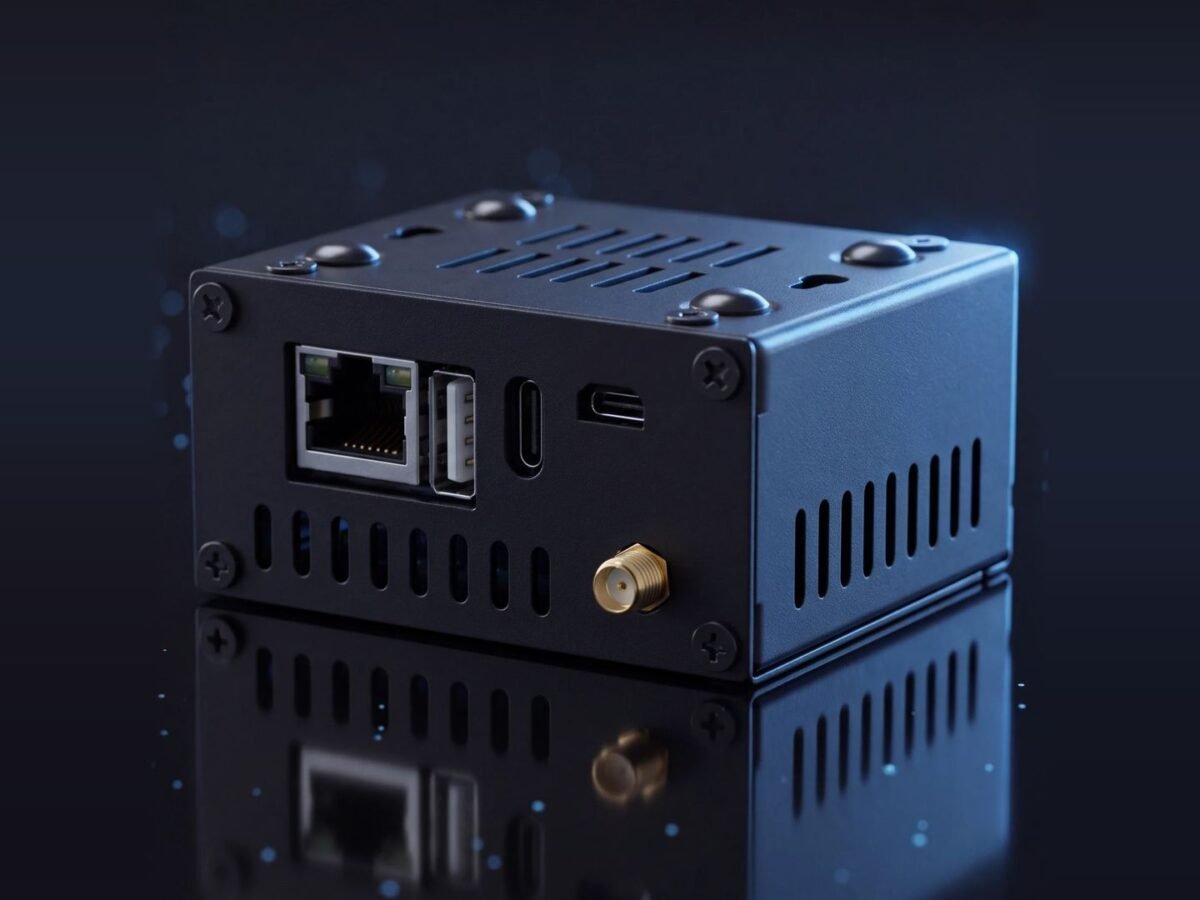
TradeMAV’s RAMDeck hub is crowdfunding on Indiegogo, listed at $109 for early backers The engine underneath is llama. cpp’s RPC backend, which anyone can already run at no cost Its fastest demos lean on an RTX 3060 and mixture-of-experts models, while denser models manage around two tokens per second With DDR5 now costing roughly five times what it did in mid-2025, a small company called TradeMAV thinks the answer to running bigger AI models at home isn’t buying more RAM, but borrowing the memory already sitting in your other devices. The argument, which is hard to rule against, is being pitched in the form of RAMDeck , which TradeMAV is crowdfunding on Indiegogo, a small, low-power hub that links Windows PCs, Macs, Linux machines and Android phones on a home network into one memory pool, so a model too large for any single device can be split across all of them. The campaign uses fixed funding against a $10,000 goal and closes on November 8 2026, 2026, according to the company’s launch video , while a cost comparison table in TradeMAV’s own RAM pooling guide lists the hub at $109 as an early-bird reward. An old trick in a new box? The timing is interesting, to say the least: German retail data from 3DCenter show DDR5 at 486% of its July 2025 price by mid-August; Samsung has told analysts the shortage will persist through 2028 ; and SK Group’s chairman has warned it could run until 2030. All of this creates a perfect storm, and TradeMAV acknowledges it; its origin story leans on the same squeeze, claiming a 64GB DDR5 kit went from about $191 in August 2025 to $1,118 a year later. That broadly matches our own findings that average 2x32GB DDR5-5600 kit prices roughly quadrupled to around $800 in the last quarter of 2025 alone. What RAMDeck actually does is less exotic than "pooling RAM" suggests. Nothing is merged at the hardware level. Instead, the model’s layers are divided among machines, each holding its share in local memory, and only intermediate results pass across the network as each token is generated. TradeMAV’s public GitHub repository is candid about the plumbing involved: The node agent starts llama. cpp’s ggml RPC server on each contributing device; the README says any compatible coordinator can drive it over the standard llama. cpp RPC protocol, and the suggested way to confirm it works is a stock llama-cli command. TradeMAV’s contribution is the orchestration wrapped around it: automatic discovery, layer placement that fills fast GPUs before slower system RAM, failure recovery, a dashboard, and an OpenAI-compatible API, according to its features page …